
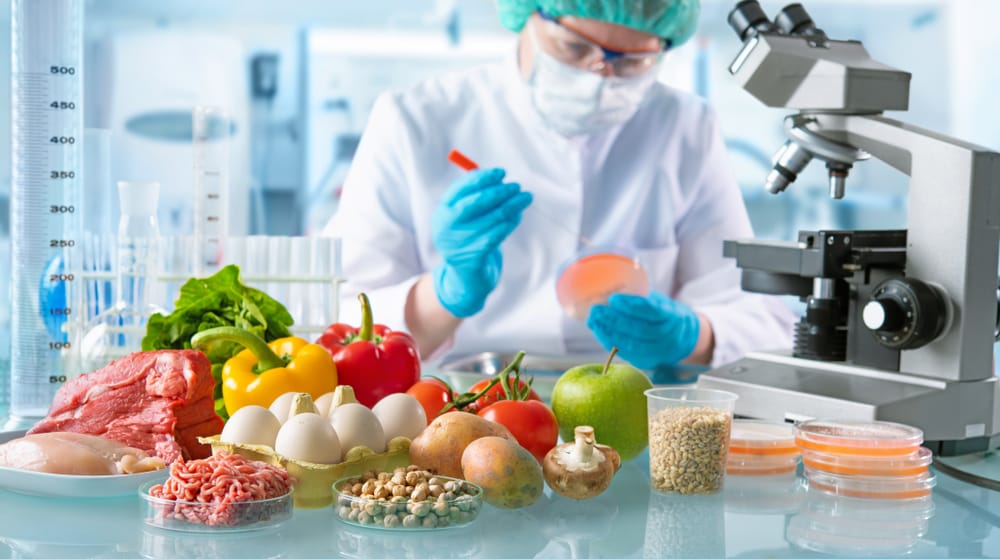
The global food system is at a crossroads. Faced with the pressing challenges of a growing population, climate change, and resource scarcity, the traditional methods of producing, distributing, and consuming food are no longer sustainable. A new era is dawning, one driven by a convergence of technology, science, and a collective commitment to creating a healthier, more efficient, and more resilient food system. This is the future of food tech—a powerful and transformative force that is not just about a new product or a new crop, but about a complete and fundamental rethinking of how we feed humanity. It’s a revolution that is poised to change everything, from the farm to our fork.
This comprehensive guide will take a deep dive into the most significant innovations and trends that are shaping the future of food tech. We’ll explore the groundbreaking developments in vertical farming and cellular agriculture, the critical role of AI and robotics in modern agriculture, the rise of personalized nutrition, and the new business models that are making a sustainable food system a reality. By the end, you will have a clear understanding of why these innovations are not just a trend but a powerful and transformative force that will redefine our lives for generations to come. The era of the food tech revolution is here, and its impact will be felt in every corner of the planet.
A. Controlled Environment Agriculture
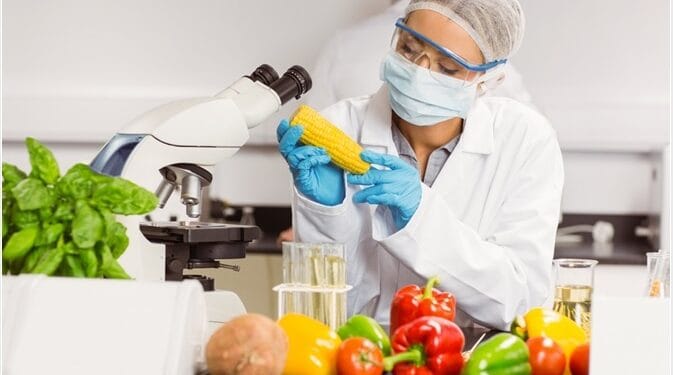
The traditional farm is a beautiful but inefficient model. It is at the mercy of the weather, it requires a massive amount of land and water, and it can be a significant source of carbon emissions. A new generation of farming is emerging that is a complete and fundamental rethinking of how we grow food.
- A. Vertical Farming: Vertical farming is the practice of growing food in vertically stacked layers, such as in a warehouse or a skyscraper. It uses a controlled environment, with a precise control over the temperature, the humidity, the light, and the nutrients. This allows a farmer to grow food year-round, regardless of the weather, and to produce a much higher yield from a much smaller footprint. It also reduces the need for pesticides and herbicides, and it can be located in a city, which reduces the cost of transportation.
- B. Hydroponics and Aeroponics: Vertical farming is made possible by new technologies like hydroponics and aeroponics. Hydroponics is the practice of growing plants in a nutrient-rich water solution, without the need for soil. It uses a fraction of the water of traditional farming, and it can produce a much higher yield. Aeroponics is an even more efficient method, where the plant’s roots are suspended in the air and are misted with a nutrient solution. It is the most water-efficient method of farming and can produce an even higher yield.
- C. The Rise of the Smart Farm: A smart farm is a high-tech machine that is controlled by a suite of sensors and AI. The AI can monitor the plants’ health, their growth, and their nutrient needs in real-time. It can then automatically adjust the environment to optimize the plants’ growth. This reduces the need for human labor and can produce a much more consistent and a much higher-quality crop.
B. The Cellular Agriculture Revolution
The production of meat is a major source of carbon emissions and a significant drain on our natural resources. A new era of protein production is dawning, one that is a complete and fundamental rethinking of how we get our protein.
- A. Cultured Meat: Cultured meat, also known as lab-grown meat, is a new technology that allows a scientist to grow real meat from a single animal cell in a lab. It is a much more sustainable and a much more humane alternative to traditional meat production. It can be produced with a fraction of the land and water, and it produces a much lower level of carbon emissions. The product is also free from antibiotics and other chemicals that are often used in traditional meat production.
- B. The Future of Dairy and Eggs: The cellular agriculture revolution is not just about meat. Scientists can now grow milk, eggs, and other dairy products from a single cell in a lab. These products are a perfect alternative to traditional dairy and eggs, as they are a much more sustainable and a much more humane alternative. They are also free from cholesterol and other harmful chemicals.
- C. The Rise of Plant-Based Alternatives: Plant-based alternatives to meat and dairy are also a major part of the food tech revolution. Companies are creating new products that have the same taste and texture as real meat, but are made from plants. These products are a much more sustainable and a much more humane alternative, and they are gaining popularity with a wide range of consumers.
- D. The Algae Advantage: Algae is a new and exciting source of protein. It can be grown in a lab or a farm with a very small footprint, and it can produce a huge amount of protein. Algae is also a great source of vitamins and minerals, and it can be used to create a wide range of products, from a protein powder to a meat substitute.
C. The Smart and Sustainable Supply Chain
The food system is a global one, and the process of getting food from the farm to our fork is a complex and inefficient one. The food tech revolution is using technology to create a more efficient, a more transparent, and a more sustainable supply chain.
- A. The Role of Blockchain: Blockchain technology is a powerful tool for creating a more transparent and a more secure food supply chain. A blockchain can be used to track a food product from the farm to the fork, providing a complete and a secure record of its journey. This can help to reduce food waste, to prevent food fraud, and to ensure that the food is safe and healthy.
- B. The Power of AI and Robotics: AI and robotics are being used to automate a wide range of tasks in the food supply chain. Robots can be used to harvest crops, to sort and package food, and to transport food from the farm to the store. AI can be used to optimize the supply chain, to reduce food waste, and to predict the demand for a specific food product.
- C. The Future of Packaging: The packaging of our food is a major source of waste. The food tech revolution is creating a new generation of sustainable and biodegradable packaging that is made from a variety of materials, from a plant-based plastic to a paper-based packaging. This is a crucial step toward a more sustainable and a more circular economy.
- D. The Rise of Personalized Nutrition: The future of food is a highly personal one. A new generation of apps and devices can analyze your unique genetic makeup and your lifestyle to create a diet and a nutrition plan that is tailored to your specific needs. This can help you to improve your health, to lose weight, and to prevent a wide range of diseases.
D. The Challenges and Ethical Considerations

The food tech revolution is a powerful and transformative force, but it also presents significant challenges and ethical considerations that must be addressed for it to flourish. These are not just technological problems; they are profound societal questions.
- A. Public Perception and Acceptance: The public’s perception of new food technologies, such as cultured meat and genetically modified crops, is a major hurdle. Many people are wary of “lab-grown” food, and they are concerned about the long-term consequences of these new technologies. A clear and open conversation about the benefits and the risks is a crucial step toward building public trust.
- B. The Cost and the Accessibility: The cost of new food technologies, such as vertical farming and cultured meat, is currently higher than the cost of traditional food. This could create a new digital divide, where the benefits of food tech are only accessible to a privileged few. A clear and consistent effort must be made to make the benefits of food tech more accessible to everyone, regardless of their income or their location.
- C. The Regulatory Hurdle: The current regulatory framework for food was not designed for a world with cultured meat and genetically modified crops. Governments are grappling with complex questions about the safety, the labeling, and the regulations for these new food products. A clear and consistent legal framework is a critical milestone that will unlock the widespread adoption of these new food technologies.
- D. The Monopolization of the Food System: The food tech revolution is a capital-intensive field, and there is a risk that a few large corporations will monopolize the food system. This could lead to a variety of issues, from a lack of competition to a lack of innovation. A clear and consistent effort must be made to create a more open and a more equitable food system, where small farmers and entrepreneurs can also participate.
Conclusion
The future of food tech is not just a trend; it is a powerful and transformative force that is poised to change how we feed humanity. From the groundbreaking power of vertical farming and cellular agriculture to the rise of AI and robotics in the supply chain, these innovations offer a compelling solution to some of the world’s most pressing problems, from a global food crisis to the ongoing fight against climate change. While the challenges of public perception, cost, and regulation are significant, they are not insurmountable. They are simply the next set of hurdles that we, as a society, must overcome to build a better, more equitable, and more sustainable future.
The most successful and lasting applications of food tech will be those that address real-world problems and that are built with a focus on a positive and meaningful human experience. It’s not just about creating a new food product; it’s about creating a better, more personal, and more sustainable world. The future of food is a testament to the fact that innovation is a continuous process, and that the drive for a more healthy, a more prosperous, and a more sustainable world is a powerful and transformative force. By embracing these innovations, we are not just changing how we eat; we are changing what it means to be human. The journey is just beginning, and the possibilities are endless. The food tech revolution is a powerful and transformative force that will redefine our economies, our industries, and our daily lives, and its impact will be felt in every corner of the planet.