For over a century, the global economy has operated on a simple, linear premise: take, make, dispose. We extract raw materials from the Earth, manufacture them into products, and after a relatively short period of use, discard them as waste. This linear model fueled unprecedented industrial growth, but it was built on a flawed assumption: that our planet’s resources are infinite and its capacity to absorb waste is limitless. Today, we are confronting the consequences of that assumption in the form of resource depletion, volatile commodity prices, overflowing landfills, and a climate crisis of existential proportions.
In response to this systemic failure, a new economic paradigm is not just emerging—it is beginning to thrive. The circular economy offers a powerful and compelling alternative. It is a regenerative system where the concept of “waste” is fundamentally eliminated through superior design, innovative business models, and a new relationship with the materials we use. This is not simply about more efficient recycling; it is a profound reimagining of commerce itself. It is a revolution that shifts our focus from short-term extraction to long-term value creation, proving that what is good for the planet can also be incredibly good for business.
This in-depth article explores the dynamic world of the circular economy. We will dissect the failures of the linear system, outline the core principles that define circularity, and dive deep into the specific business models that are thriving today. We will showcase real-world examples, quantify the immense benefits, and address the challenges that lie on the path to a truly circular future.
The Inherent Flaws of the Linear “Take-Make-Dispose” System
To appreciate the brilliance of the circular model, we must first understand the deep-seated problems of the system it aims to replace. The linear economy is a one-way street with a dead end.
Its primary flaw is its dependence on the constant extraction of finite virgin resources. Everything from the oil used for plastics to the rare earth metals in our smartphones is limited. As these resources become scarcer, their prices become more volatile, exposing businesses to significant supply chain risks and unpredictable costs.
Furthermore, this model is incredibly inefficient. An astonishing amount of value is lost when products are discarded. The materials, energy, and labor invested in creating a product are simply thrown away. In Europe alone, it is estimated that only 5% of the original value of materials and energy is recovered from waste streams. The rest ends up in landfills or incinerators, contributing to soil contamination, air pollution, and the release of potent greenhouse gases like methane. This linear flow is directly responsible for crises like the plastic pollution choking our oceans and the vast “e-waste” dumps in developing nations. It is a system designed for obsolescence, creating a mountain of problems for future generations to solve.
The Guiding Principles of a Circular Economy
The circular economy is not a single practice but a comprehensive framework guided by three interconnected principles, largely popularized by the Ellen MacArthur Foundation. These principles provide a roadmap for redesigning our economic system.
A. To Design Out Waste and Pollution This is the most crucial and proactive principle. In a circular system, waste is not a byproduct to be managed; it is a design flaw. From the very first sketch, products are conceived with their entire lifecycle in mind. This involves:
- Designing for Durability: Creating products that last longer and resist breaking.
- Designing for Repair: Making products easy to take apart and fix, often with modular components that can be individually replaced. The “Right to Repair” movement is a consumer-driven push for this principle.
- Designing for Disassembly (and Reassembly): Ensuring that at the end of its life, a product can be easily deconstructed so its components and materials can be recovered at a high quality. This means avoiding toxic glues and complex composite materials that are impossible to separate.
B. To Keep Products and Materials in Use at Their Highest Value Once a product exists, the goal is to keep it and its embedded materials circulating in the economy for as long as possible. This involves a hierarchy of “loops” that preserve value.
- The Inner Loops (Highest Value): These include actions like maintenance, repair, and reuse. A smartphone that is repaired and resold retains far more of its original value (labor, energy, complex components) than one that is shredded for its raw materials. Sharing platforms, which increase the use of a single product (like a car or a power drill), also fit within this loop.
- The Middle Loops: If a product cannot be reused, the next best option is refurbishment or remanufacturing. This involves taking a product, replacing worn parts, updating it, and selling it again with a warranty. Companies like Caterpillar have built massive businesses remanufacturing heavy machinery components, offering them at a lower price than new parts but with the same performance guarantee.
- The Outer Loop (Last Resort): Recycling is the final option for materials that cannot be kept in a whole product form. While essential, it is the least value-preserving loop because it often requires significant energy and results in “downcycling,” where the material quality degrades with each cycle. The goal of superior design is to delay or avoid this final loop for as long as possible.
C. To Regenerate Natural Systems A truly circular economy does more than just reduce harm; it actively improves the natural environment. This principle distinguishes it from simple sustainability. It focuses on returning biological nutrients safely to the earth to enrich the soil and rebuild natural capital. This can involve:
- Composting and Anaerobic Digestion: Turning food scraps and other organic “waste” from cities and businesses into valuable compost and biogas, which can restore agricultural land and generate renewable energy.
- Regenerative Agriculture: Adopting farming practices that increase biodiversity, improve soil health, and enhance ecosystem services, creating a positive feedback loop between our food system and the environment.
Thriving Business Models of the Circular Economy
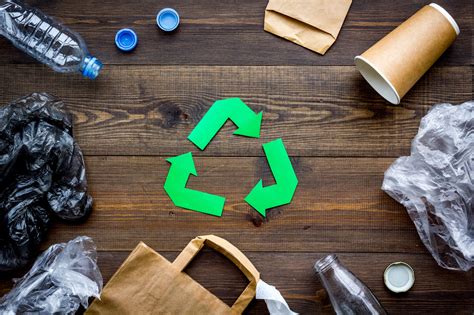
The principles of circularity are not just theoretical; they are being translated into highly profitable and scalable business models that are disrupting traditional industries.
A. Product-as-a-Service (PaaS) This is one of the most transformative circular models. Instead of selling a physical product, a company sells the service or outcome that the product delivers. The company retains ownership of the product, and thus has a powerful incentive to make it as durable, efficient, and repairable as possible.
- Example: Philips Lighting: Instead of selling lightbulbs to Amsterdam’s Schiphol Airport, Philips sells “light as a service.” It installs, maintains, and upgrades the entire lighting system, billing the airport for the light it uses. Philips is incentivized to use the most energy-efficient, longest-lasting LEDs and to manage their end-of-life recovery perfectly because it owns the assets.
- Example: Michelin: For large trucking fleets, Michelin sells “kilometers driven” rather than just tires. It provides the tires, manages their maintenance, and retreads them multiple times, maximizing the life of each tire. The fleet gets a predictable cost and optimized performance, while Michelin builds a long-term customer relationship and reduces its demand for raw rubber and materials.
B. Resource Recovery and Circular Supplies This model focuses on turning waste streams into valuable feedstocks for new products. It is the business of closing the loop.
- Example: Interface Carpet: A global leader in modular carpet tiles, Interface runs a program called ReEntry. It takes back old carpet tiles—both its own and its competitors’—and separates the materials. The nylon face is recycled into new yarn, and the vinyl backing is repurposed for new tiles. Their “Net-Works” program even recovers discarded fishing nets from coastal communities and recycles the nylon into new carpet, cleaning the ocean and providing income to local populations.
- Example: Patagonia: The outdoor apparel company has long been a pioneer in circularity. It encourages customers to repair their gear and was one of the first to make fleece jackets from recycled plastic bottles. Their “Worn Wear” program buys back used Patagonia clothing, repairs it, and resells it, extending the life of each garment and creating a new revenue stream.
C. Product Life Extension This model centers on generating revenue by keeping products functional for longer. It directly counters the linear model’s “planned obsolescence.”
- Example: Certified Pre-Owned (CPO) Electronics: Companies like Apple and certified third-party refurbishers take used iPhones and MacBooks, replace the batteries and any worn components, and sell them with a new warranty. This gives consumers a lower-cost option, keeps valuable electronics out of landfills, and captures residual value for the company.
- Example: Repair Cafés and Services: A growing grassroots and commercial movement is focused on repair. Businesses that offer expert repair services for electronics, appliances, and clothing are thriving as consumers become more conscious of waste and the “Right to Repair” movement gains legal traction.
D. Sharing Platforms The “sharing economy,” when applied to physical assets, is a powerful circular model because it dramatically increases the utilization rate of products, reducing the need for new ones to be made.
- Example: Turo & Getaround: Most personal cars sit parked for over 95% of their lives. Peer-to-peer car-sharing platforms allow car owners to rent out their vehicles when not in use. This provides income for the owner and transportation for the renter, potentially reducing the total number of cars that need to be manufactured.
- Example: FLOOW2: This is a business-to-business sharing platform where companies can rent out their underutilized equipment, from construction machinery to medical devices, to other businesses.
The Compelling Benefits of Going Circular
Adopting circular models offers a cascade of benefits that extend far beyond environmental stewardship.
- Economic Advantage and Innovation: Circularity drives innovation in design, materials science, and logistics. It creates new revenue streams from what was once considered waste, reduces exposure to volatile raw material prices, and can lead to significant cost savings.
- Enhanced Customer Relationships: Service-based models like PaaS transform a one-time transactional sale into a long-term relationship. This provides a steady, predictable revenue stream and invaluable data on how products are used, which can inform future designs.
- Increased Supply Chain Resilience: By sourcing materials from recycled/remanufactured streams and relying less on virgin extraction, companies can build more resilient, localized, and stable supply chains, insulating themselves from geopolitical disruptions and resource scarcity.
- Superior Brand Reputation: In an era of conscious consumerism, sustainability is a powerful differentiator. Brands that transparently embrace circular practices build trust, attract talent, and cultivate deep loyalty among customers who want to align their purchasing decisions with their values.
Challenges on the Path to a Circular Future
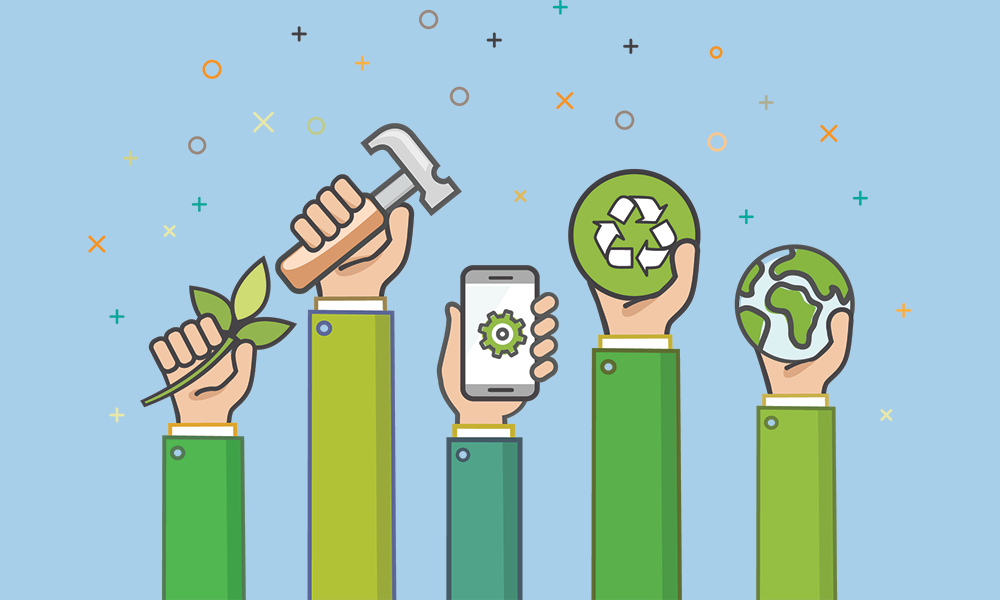
Despite the momentum, the transition to a fully circular economy is not without its hurdles.
- Reverse Logistics: The linear economy is optimized for one-way distribution. Building efficient, cost-effective systems to get products back from millions of consumers (reverse logistics) is a complex challenge.
- Consumer Mindset: Shifting society from a culture of ownership and novelty to one that values access, durability, and reuse requires a significant behavioral change.
- Regulatory and Economic Inertia: Many existing regulations and subsidies still favor the linear model (e.g., subsidies for fossil fuels and virgin material extraction). A level playing field is needed to accelerate the transition.
- Upfront Investment: Redesigning products, retooling factories, and building new reverse logistics networks can require significant initial capital investment.
An Unavoidable and Profitable Transition
The circular economy is an idea whose time has come. It is a necessary response to the clear and present failures of the take-make-dispose model. Far from being a niche environmental concept, it represents a tangible and thriving economic framework for the 21st century—one that decouples growth from resource consumption. The models of Product-as-a-Service, resource recovery, and life extension are not futuristic ideals; they are being implemented by leading companies today, generating profits and building resilience.
The journey towards a global circular economy requires a concerted effort from businesses willing to innovate, policymakers bold enough to rewrite the rules, and consumers ready to embrace a new definition of value. The revolution is already underway, proving that we can build a future that is not only sustainable and regenerative but also prosperous and abundant.